Circumnavigation · Scientific observatory · Marine conservation

On theSameOcean

Three oceans, a six-year journey, five scientific projects on board.
A sailing trip around the world as a global observatory for the sea.

3 Oceans40,000+ NM2000+ Days120+ Ports5 Scientific ProjectsDozens of Sightings3 Oceans40,000+ NM2000+ Days120+ Ports5 Scientific ProjectsThousands of Sightings3 Oceans40,000+ NM2000+ Days120+ Ports5 Scientific ProjectsThousands of Sightings3 Oceans40,000+ NM2000+ Days120+ Ports5 Scientific ProjectsThousands of Sightings

The Project

An observatory
in the open ocean

On The Same Ocean is a six-year sailing circumnavigation with a mission: to observe the sea where it is truly changing, to collect data that scientific research would otherwise be unable to obtain, and to give it all back to science, to people, and to the future.

It is a floating laboratory crossing three oceans, collecting data on marine biodiversity, pollution, and ecosystem changes. On board Aura, a family and their crew support researchers and students in collecting data for their research activities. The project is coordinated by The Sea Republic.

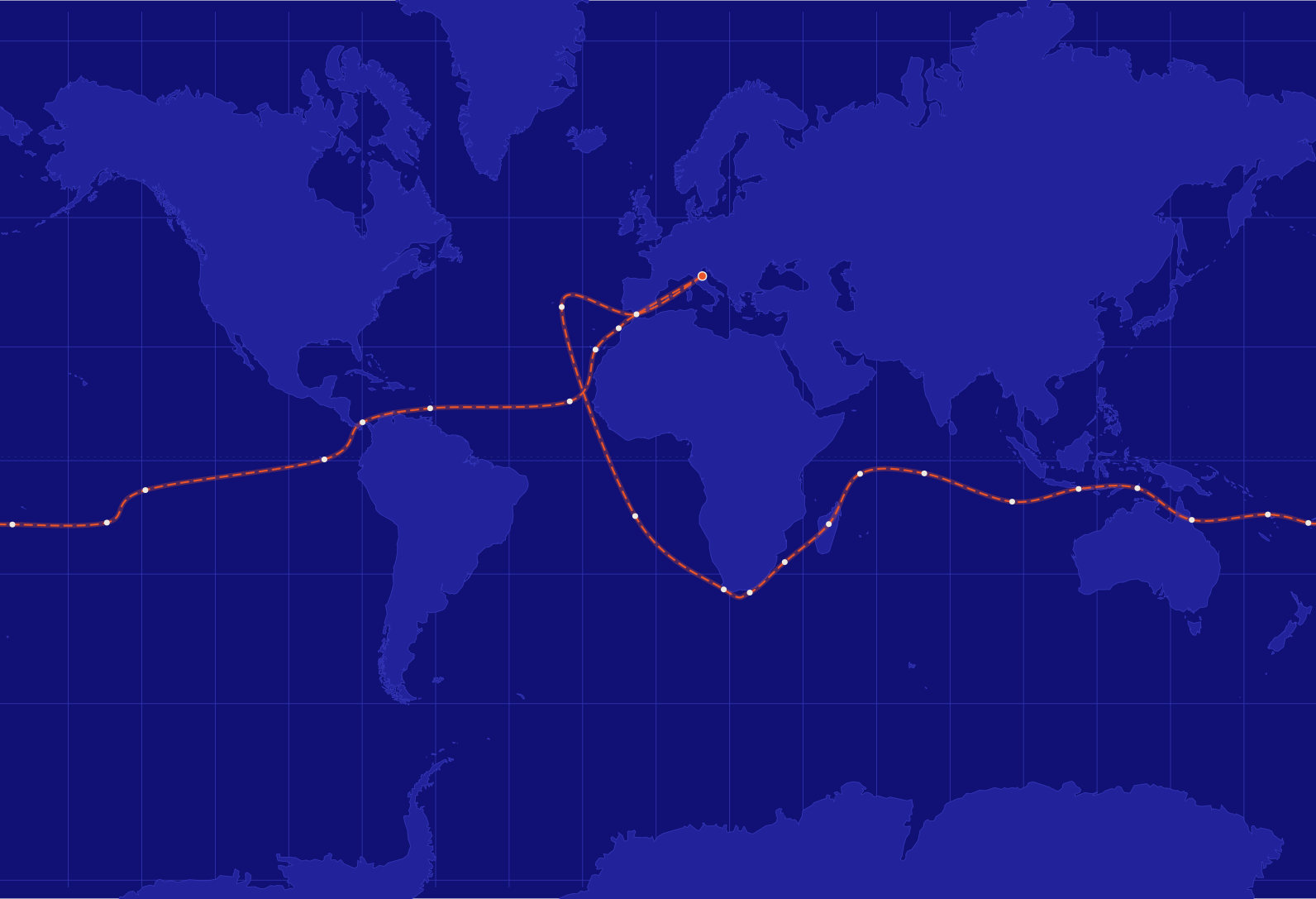
Planned Route Map of the world with the route for circumnavigating the globe

On Board Aura

5 projects for the sea

The scientific value of On The Same Ocean lies in a simple fact: Aura reaches places that traditional research expeditions struggle to access. Remote areas of the ocean, routes that are difficult to navigate with dedicated research vessels, and areas where data is missing precisely because logistics do not allow for it. Six years of continuous sailing, using the same boat and the same methodology, produce a dataset that would be difficult to build in any other way.

These are the five scientific projects currently active on board. We are open to evaluating the integration of new research protocols for the coming years of our voyage.

By filtering a few liters of seawater, it is possible to extract environmental DNA—the genetic traces left in the water by every living organism. This technique allows us to identify which species are present in an area without having to see or capture them. On board Aura, 26 samples are collected in the first year, roughly every two to three weeks, in the open ocean and far from busy coastal areas. The sampling kits are provided by Wilderlab, a New Zealand-based company specializing in eDNA. At the end of the season, the samples are sent to Wilderlab for data extraction, which is then forwarded to Professor Bernardi at the University of California Santa Cruz for analysis and research.

Seawater sample collected for environmental DNA analysis

Partner: Prof. Giacomo Bernardi | University of California Santa Cruz

The project studies how the same fish species change genetically while crossing different oceans, and how invasive species are moving around the world. The circumnavigation allows for something rarely possible: following the same fish along a global route for six years. Sampling occurs in two ways. The first is systematic: the same species are monitored along the entire route, either by purchasing them at local fish markets—verifying that the catch is local—or through spearfishing. The second is opportunistic: in remote areas difficult for traditional research to reach, Professor Bernardi indicates in advance which species to sample based on the boat's stops. The method is simple: a fin fragment of about half a centimeter, preserved in a test tube with ethyl alcohol. Samples are periodically sent to the University of California Santa Cruz for genetic analysis.

Fresh fish displayed at a local fish market stall

Partner: Prof. Giacomo Bernardi | University of California Santa Cruz
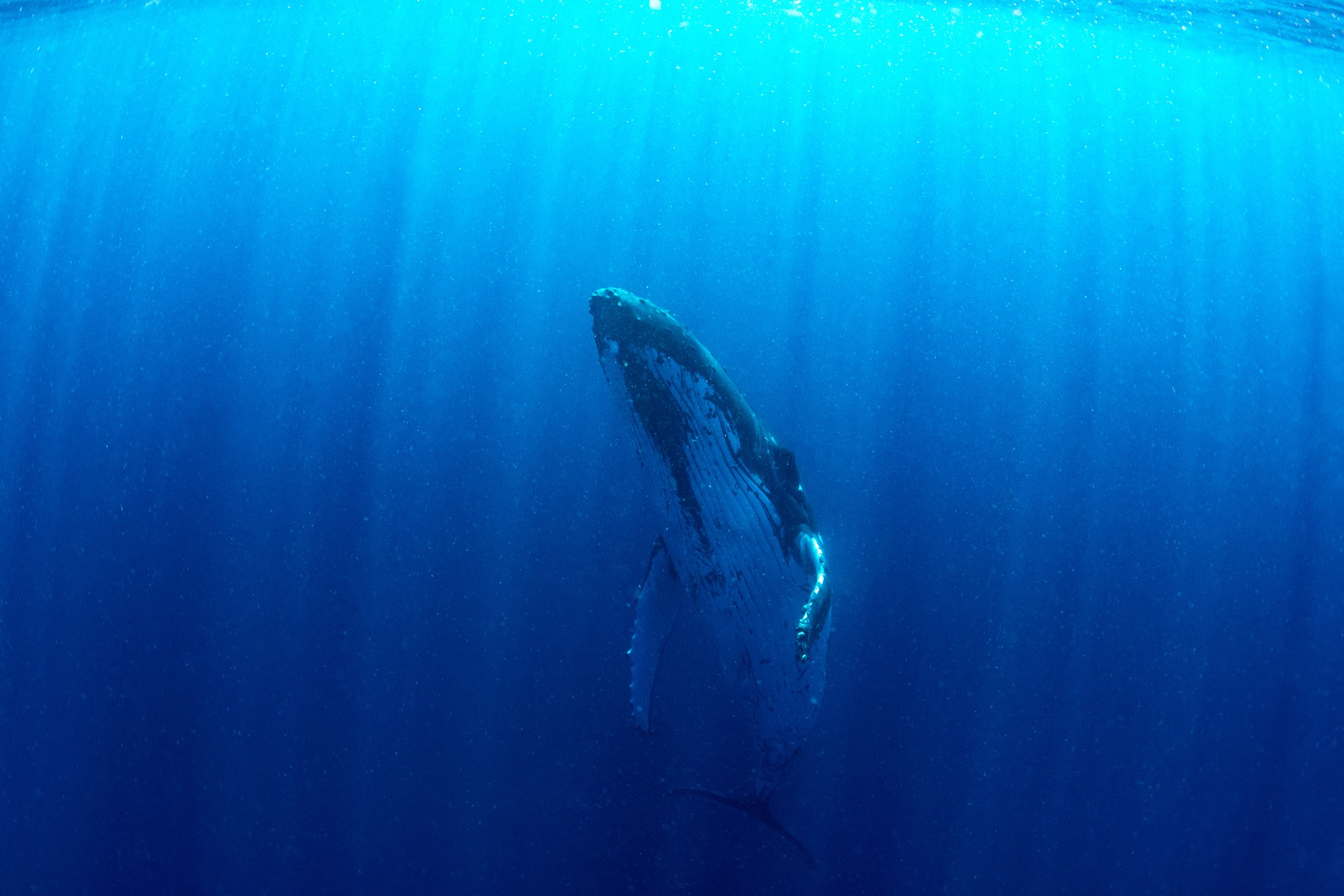
Oceans have their own soundscape—marine fauna, vessel traffic, anthropogenic background noise—which changes from area to area and which research studies to understand the impact of human activities on marine ecosystems. A SoundTrap, an underwater acoustic recorder provided by the CNR, is installed aboard Aura. Recordings take place while at anchor: the instrument is lowered into the water and records for a defined period, with systematic annotation of GPS coordinates, UTC time, depth, weather conditions, and present vessel traffic. Each recording session is documented with a unique ID and archived on dual media. Data is periodically sent to the CNR for analysis, and a selection will be made available on the project portal.

Humpback whales in the waters of the Kingdom of Tonga, in the Pacific

Partner: Giuseppa Buscaino | CNR

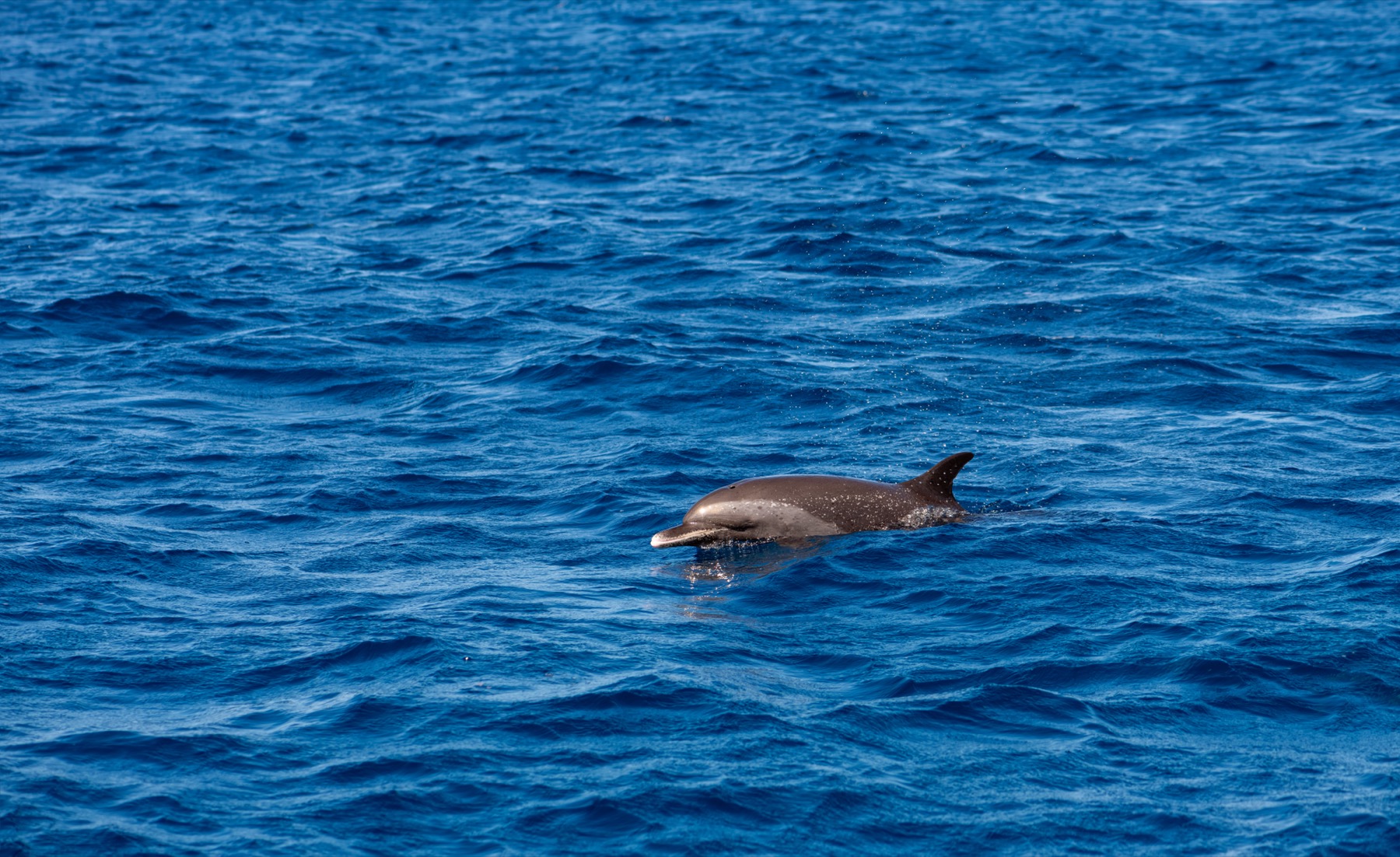
Some marine species are on the move—following warmer currents, colonizing waters that were not their own, and disappearing from areas where they have lived for centuries. Documenting these movements requires systematic and continuous observations over time. A visual monitoring protocol validated by the CNR is applied aboard Aura. Each monitoring session is conducted every fifteen minutes or whenever conditions change, systematically recording: GPS position, UTC time, sea and wind conditions, vessel traffic, and all marine fauna sightings, including species, number of individuals, distance, sighting angle, and observed behavior. When a sighting allows, a detailed behavioral sheet is also filled out every three minutes. Data is periodically sent to the CNR for analysis.

Pantropical spotted dolphins (Stenella attenuata) in Caribbean waters

Partner: Elena Papale | CNR

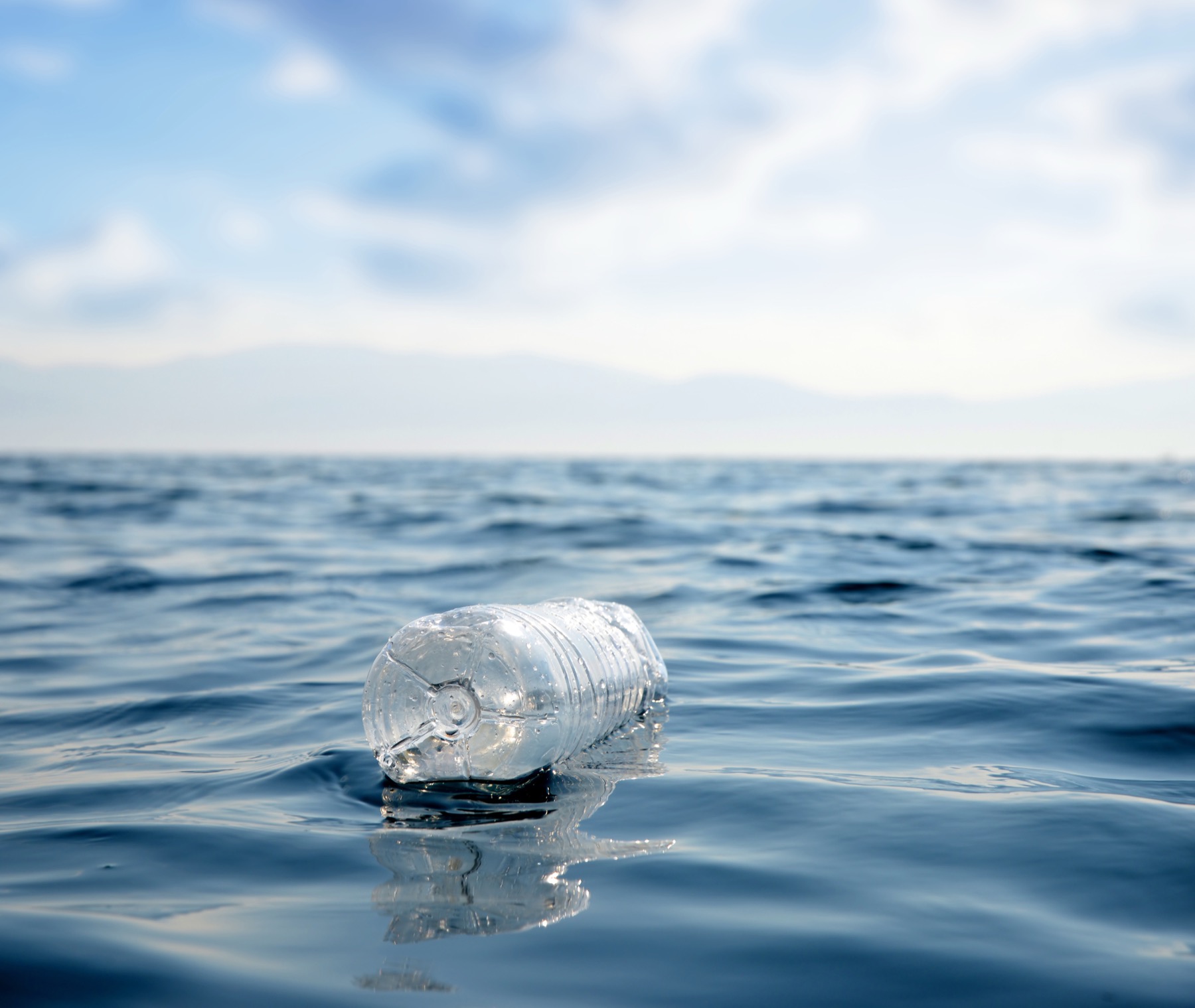
During the voyage, the crew documents significant marine waste and pollutants photographically, recording GPS coordinates, date, type, estimated size, and sea conditions for each detection. Objects with greater narrative value—those that tell a story about their origin, their time at sea, or their geographical provenance—are physically collected whenever possible and shipped to The Sea Republic headquarters, where they are preserved and cataloged for the post-voyage photo exhibition. The project is developed and managed entirely by The Sea Republic. Data is updated monthly on the portal.

Plastic bottle floating in the open sea

Coordinated by The Sea Republic

Map of the world with the route for circumnavigating the globe
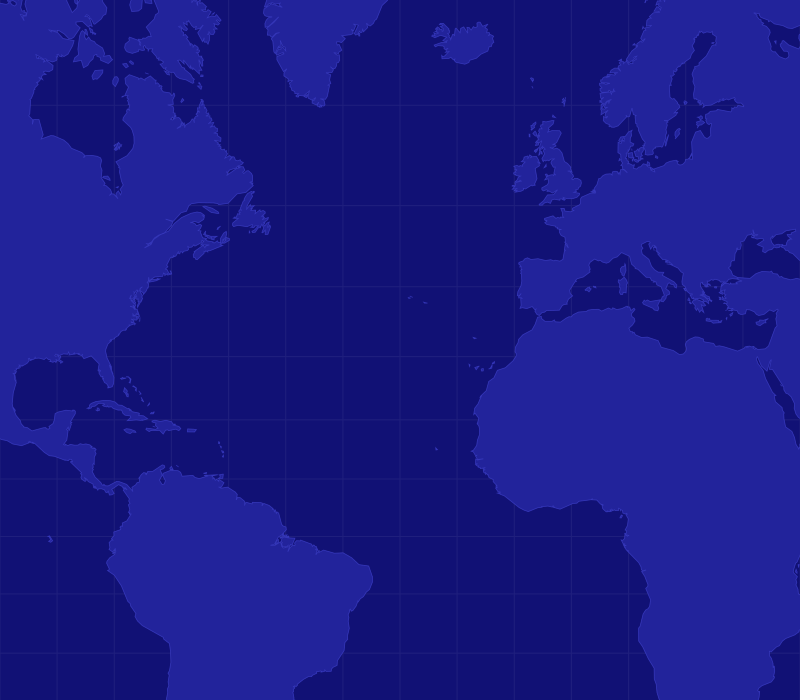
Lisbon — Portugal38°42′N · 9°11′W
RIMINIPartenza44°04′N · 12°34′E CROAZIA43°31′N · 16°26′E MONTENEGRO42°26′N · 18°46′E ALBANIA40°27′N · 19°29′E GRECIA38°57′N · 20°45′E SICILIACosta nord e Stretto di Messina38°11′N · 15°34′E SARDEGNACosta sud e ovest, fino ad Alghero/Asinara40°34′N · 8°19′E BALEARI39°33′N · 2°39′E VALENCIA39°27′N · 0°20′W GIBILTERRACosta est spagnola → Gibilterra36°08′N · 5°21′W PORTIMAOPortogallo37°07′N · 8°32′W MADEIRA32°45′N · 16°58′W CANARIE27°57′N · 15°36′W CAPO VERDEArrivo, poi partenza traversata14°55′N · 23°31′W TRAVERSATA ATLANTICA CARAIBIArrivo: Barbados / Grenada / St. Vincent13°06′N · 59°37′W BVIRisalita dei Caraibi18°25′N · 64°37′W REP. DOMINICANA18°27′N · 69°54′W PANAMAPrimo stop invernale9°22′N · 79°54′W
02 · The Route

The first leg of the circumnavigation

0
NM traveled
1
Day of the journey
Mediterranean Sea
Last position
38°42′N 9°11′W
Atlantic Ocean
No items found.

The Boat

A yacht becomes
research and observation station

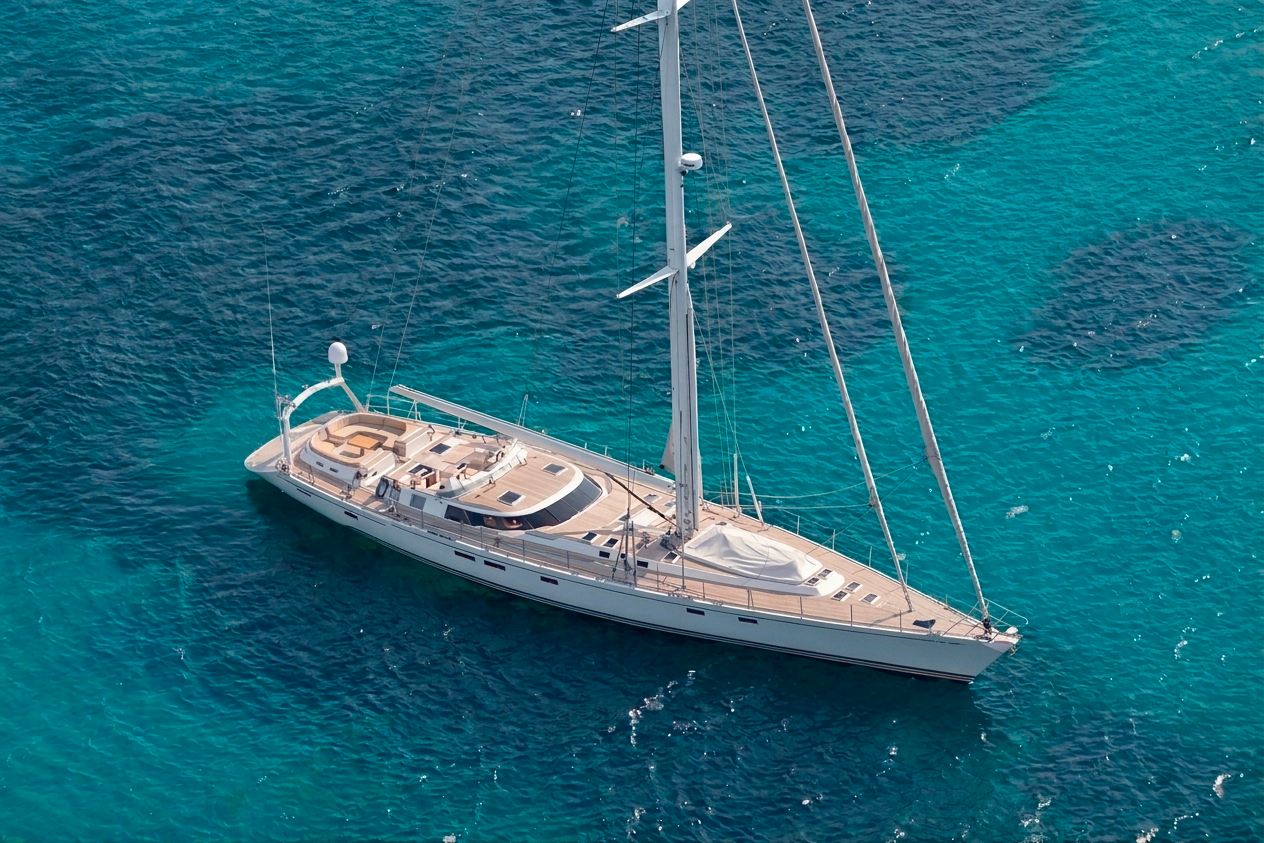
La barca Aura in navigazione
Aura · Aluminum sailing yacht

Aura is a family boat. On a private journey around the world: six years, three oceans, thousands of miles from home. The decision to make this boat available for science, with all that it entails in terms of space, time, and commitment on board, is a rare gift. It is not often that a vessel of this caliber, on a route of this kind, also becomes a research platform.

Aura is a 31.60-meter aluminum sailing yacht. A boat built for the sea, not for speed, but for endurance and range. Its size allows it to carry scientific instruments, sampling kits, and all the equipment needed for five simultaneous research projects, without compromising the daily life of a family on board.

CNB 104 Specifications
Length 31.60 m
Beam 6.80 m
Draft 3.60 m
Construction Aluminum
Engine Cummins 350 hp
Speed 12 knots (max) · 10 knots (cruising)
Crew 4

Logbook

Letters from the sea

No items found.
Scientific observatory

Five research projects, one single sea

A boat sailing for six years across three oceans, reaching remote locations that are difficult to access with targeted expeditions, is a rare opportunity for scientific research.

The continuity, geographical coverage, and access to areas normally out of reach allow for the construction of datasets that are difficult to produce in any other way.

Five projects active today. A platform open to new integrations over time.


People and Questions

A question from the sea


Question of the Week

"What does it feel like to know you'll be reaching the most remote parts of the planet by sailboat?"                  

Ask your question

Write your question. We will try to answer as soon as possible.

Thank you, your question has been sent!
Oops... something went wrong, please try again!

Partners

Who is collaborating on the project

CNR · National Research Council
University of California Santa Cruz · Center for Ocean Health
Wilderlab · eDNA Sampling

Scientific Committee

Filippo Giorgi
General scientific lead for the project.
Climate physicist, member of the IPCC (Intergovernmental Panel on Climate Change), and co-recipient of the 2007 Nobel Peace Prize alongside the IPCC and Al Gore. He is one of Italy's leading scientists in the field of climate change and its impact on marine and ocean ecosystems.
Giuseppe Bucciarelli
General scientific lead for the project.
Marine biologist, documentary filmmaker, and explorer. Founder and voice of the channel "Gli orizzonti della Maruzza," one of the most followed channels in Italy for marine and underwater storytelling. He is currently sailing toward Guinea-Bissau, where he is documenting and studying the marine ecosystems of West Africa.
Giacomo Bernardi
Scientific lead for eDNA sampling and fish species sampling projects.
Professor at the Department of Ecology and Evolutionary Biology at the University of California Santa Cruz and Director of the Center for Ocean Health, Long Marine Lab. He specializes in marine population genetics and ocean ecosystem biodiversity, with active research in all the world's major oceans.
Giuseppa Buscaino
Scientific lead for acoustic sampling projects.

Researcher at IAS-CNR, Institute for the Study of Anthropic Impacts and Sustainability in the Marine Environment, Capo Granitola branch. A specialist in marine bioacoustics and soundscapes, she has spent years studying the effects of noise pollution on marine species and ocean soundscapes across various geographic regions.            
         
Elena Papale
Scientific lead for species survey projects.
Senior Researcher at IAS-CNR, specializing in marine bioacoustics, ethology, and marine mammal conservation. She has worked with odontocetes, mysticetes, and pinnipeds from the Mediterranean to the Arctic, studying the effects of anthropogenic noise on species behavior. Author of over 65 international scientific publications.

Follow the Journey

Stay connected

Uomo con cappello e maglietta 'The Sea Republic' su una barca a vela al porto.Mani su tavolo di barca con materiali da lavoro e bottiglie rosa vicino a salvagente arancione.Uomo sorridente con cappello e maglietta The Sea Republic su una barca a vela al porto.